
Blog
How to Identify Pure Spices at Home: A Complete Guide

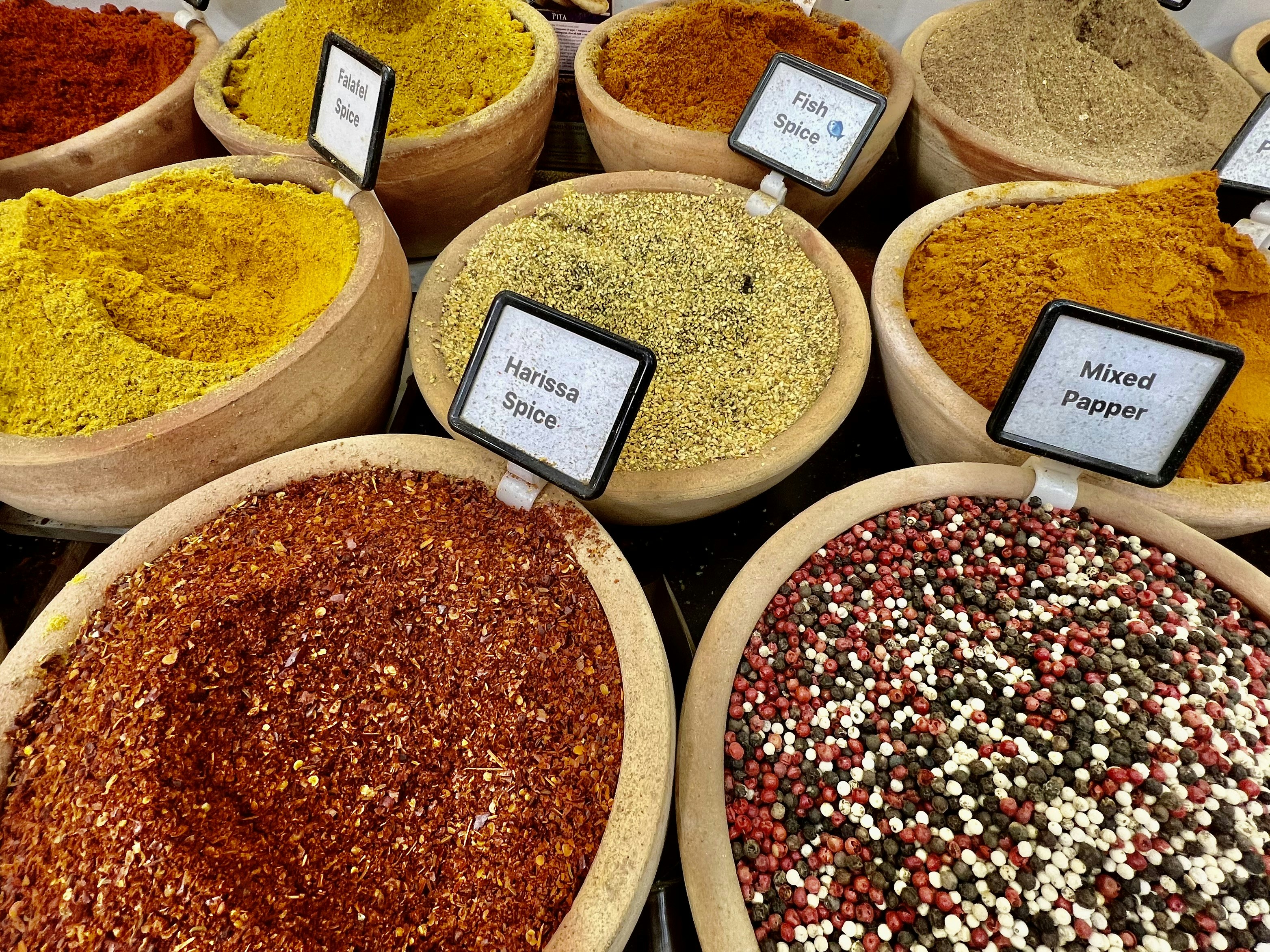
Understanding Pure Spices vs. Adulterated Spices
Pure spices are derived directly from the plant sources without alteration or modification. They exhibit distinct flavors, aromas, and colors that are characteristic of their natural forms. In contrast, adulterated spices are those that have been mixed or contaminated with inferior substances to increase quantity or enhance appearance and taste. This practice not only compromises the integrity of the spice but may also introduce health risks to consumers. Adulteration can occur at various stages, from cultivation to packaging, making awareness crucial for safe consumption.
Common methods of adulterating spices include mixing pure spices with sawdust, artificial colors, or cheaper alternatives to imitate their properties. For example, turmeric powder may be mixed with lead chromate, while black pepper might contain dried papaya seeds. These practices not only degrade the quality of spices but can lead to severe health complications such as allergic reactions, food poisoning, and toxic exposure. Furthermore, such adulteration detracts from the authentic flavors and potential health benefits that pure spices offer.
Understanding the distinction between pure and adulterated spices is vital for several reasons. Firstly, consuming pure spices ensures the safety and well-being of individuals, as adulterated spices can pose hidden dangers. Secondly, the rich flavors and aromas of pure spices significantly enhance culinary experiences, allowing consumers to appreciate their natural qualities in cooking and food preparation. Lastly, recognizing adulteration empowers consumers to make informed choices, leading to a demand for higher quality and ethically sourced products in the spice market.
By being discerning in spice selection, consumers can safeguard their health and enjoy genuine flavors, thus emphasizing the importance of understanding the differences between pure and adulterated spices.
Common Tests to Identify Pure Spices
Identifying the purity of spices is essential for ensuring quality and flavor in culinary practices. Several practical home tests can assist in determining whether your spices are pure or adulterated, enhancing the overall cooking experience. Three common tests include the water test, the vinegar test, and the color test.
The water test is straightforward and effective. To conduct this test, take a small amount of the spice and immerse it in a glass of water. Allow it to sit for about ten minutes. Pure spices generally undergo minimal color change, whereas adulterated spices tend to release color into the water, indicating the presence of synthetic dyes or fillers. For instance, turmeric will leave a significant yellow hue if it contains artificial coloring.
Next, the vinegar test can be performed to check for the presence of starch in spices such as black pepper. Simply mix a teaspoon of the spice with a few drops of vinegar on a white plate. Pure spices will not react with vinegar, while adulterated spices will produce a frothy reaction, signifying added starch or other contaminants. This simple method helps maintain quality by weeding out inferior products.
The color test involves assessing the appearance of the spice. Examine the color of the spice; pure spices usually exhibit vibrant and consistent colors. In contrast, spice powders that contain fillers may appear dull or overly pale. Utilizing natural light to evaluate color accuracy can aid in identifying any inconsistencies. Spices that have an unnatural sheen or have clumped together may also indicate adulteration.
In conclusion, employing these simple tests at home enables consumers to ensure that they are using pure spices, which ultimately contributes to the quality of their culinary creations. By being vigilant about the integrity of spices, one can enjoy flavorful and authentic meals.
Analyzing Aroma and Flavor Profiles
Aroma and flavor are essential sensory attributes that play a significant role in identifying pure spices. The sensory evaluation begins with the smell, which can provide immediate clues about the freshness and potency of spices. When analyzing the aroma, it is advisable to take a moment to appreciate its profile: does it evoke an intensity that is rich and fragrant, or is it faint and stale? Fresh spices often exhibit vibrant aromas, with distinct characteristics that align with their botanical origins.
For instance, the aroma of pure cinnamon is warm and sweet, often accompanied by hints of spiciness, while coriander should present a citrusy note. To assess the purity of a spice, gently crushing a small amount can release its oils, amplifying the scent. The more complex and robust the aroma, the higher the likelihood that the spice is indeed pure.
Following the aroma evaluation, the next step is to analyze the flavor. When tasting spices, one should pay attention to the initial impact and the subsequent aftertaste. Pure spices typically have well-defined flavor profiles – spices should taste as expected, whether it is the heat of pepper or the earthy undertones of turmeric. If a spice tastes flat, lacks depth, or has an overwhelming bitterness, it may indicate degradation or adulteration.
Recognizing these sensory characteristics is crucial not only for the identification of pure spices but also for their application in culinary practices. Chefs and home cooks alike understand that high-quality spices significantly enhance the overall flavor of dishes. Thus, analyzing aroma and flavor becomes a cornerstone in ensuring a delightful culinary experience, ultimately elevating the quality of meals prepared.
Storing Spices for Maximum Freshness
Proper storage of spices is crucial for maintaining their integrity and maximizing freshness. One of the primary considerations is to store spices in a cool, dark, and dry place, which significantly influences their flavor and aroma. A pantry or a kitchen cabinet away from heat sources, such as the stove or oven, is generally ideal. Exposure to light and humidity can lead to the degradation of spices, resulting in a loss of potency over time.
When it comes to containers, opting for airtight jars or containers is key to preserving the quality of spices. Glass jars, especially those with dark shades, can effectively block light and maintain spice freshness. Additionally, stainless steel or food-grade plastic containers with airtight seals can also do the trick. It is advisable to avoid storing spices in their original packaging, particularly if they are made from paper or are not resealable, as these do not provide sufficient protection against light and moisture.
Labeling your spice containers is another important aspect of maintaining spice quality. Clear labels allow for easy identification, preventing the mix-up of similar looking spices and ensuring that you can track their age. Writing the purchase date can help you monitor how long a spice has been stored, aiding in the efficient rotation of your spice inventory. Ideally, spices should be used within six months to a year of purchase for optimal flavor, although some spices can last longer when stored correctly.
Implementing these storage practices not only prolongs the shelf life of pure spices but also enhances your culinary experiences. By taking the time to create the right environment and recognizing the importance of each measure, you can enjoy the maximum benefits from your collection of spices.